


Plastic Recycle/ Reuse Guidelines - India
Reuse and Recycle Guidelines
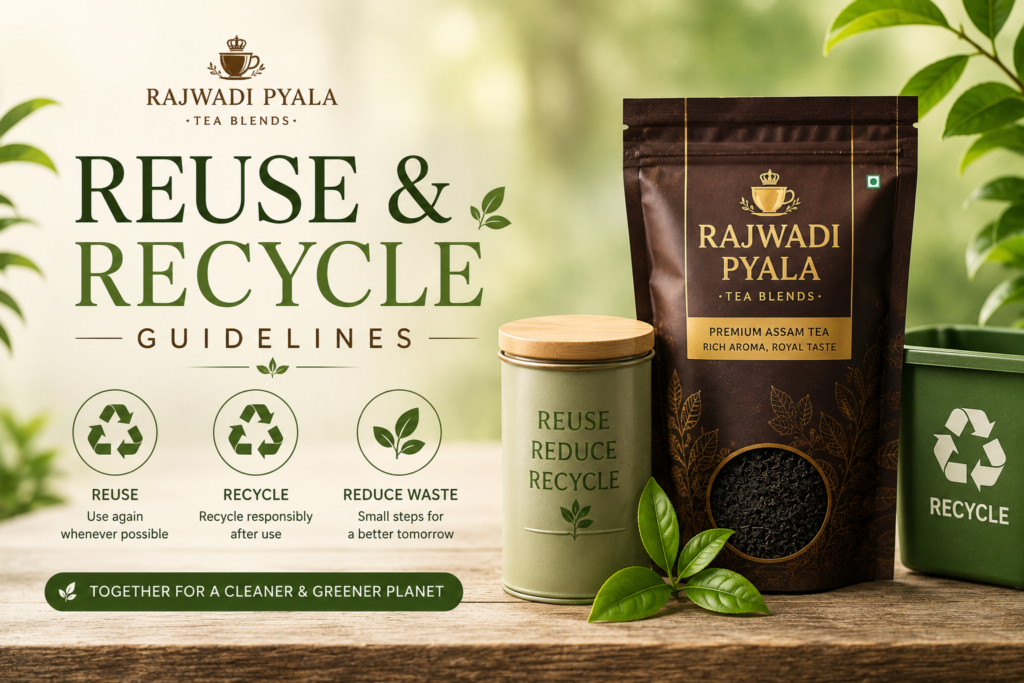
At Rajwadi Pyala, every cup of tea represents more than just taste, it reflects tradition, quality, and responsibility. While we focus on crafting premium tea blends inspired by Indian heritage, we are equally committed to ensuring that our impact on the environment remains minimal. As a brand that reaches customers across India through platforms like Amazon and direct channels, we recognize the importance of responsible packaging and its proper disposal. we believe in Reuse and Recycle Guidelines for our wealthness.
Tea is a daily ritual in millions of Indian households, and with that comes the use of packaging materials such as laminated tea packs, cartons, and jars. While these materials are essential to preserve freshness, aroma, and quality, they also contribute to plastic waste if not handled properly. Plastic waste is one of the major environmental challenges in India today, affecting soil, water, and public health. Through these guidelines, Rajwadi Pyala aims to educate and encourage responsible recycling and reuse practices among our customers.
Our tea blends are carefully crafted using selected tea leaves and ingredients to deliver a smooth, balanced, and comforting experience in every cup . To maintain this quality, our packaging is designed to protect freshness and aroma. However, once the product is consumed, it becomes equally important for consumers to dispose of the packaging responsibly so that it does not harm the environment. by Reuse and Recycle Guidelines , it is small step but it is very usefull
one small step can improve
We believe that sustainability starts at home. After enjoying your tea, always ensure that the packaging is completely empty and free from residue. Clean and dry materials are much easier to recycle and are more likely to be processed correctly by waste management systems. Mixing tea packaging with wet waste reduces its recyclability and often leads to it being discarded in landfills instead of being reused. by following this Reuse and Recycle Guidelines, we can save our nature.
Segregation of waste plays a key role in effective recycling. Dry waste such as paper cartons, plastic pouches, and lids should be separated from organic kitchen waste. This simple habit allows recycling systems to function more efficiently and ensures that valuable materials are not lost. Whenever possible, packaging like jars or containers can be reused at home for storage purposes, extending their lifecycle and reducing the need for additional resources.
Every small action matters. Whether it is rinsing a tea jar before disposal, reusing a container, or placing packaging in the correct bin, these simple steps collectively create a meaningful impact. By adopting responsible recycling habits, we can reduce waste, conserve resources, and contribute to a cleaner and healthier India.
Let us come together to enjoy great tea while also caring for the environment, because a better future starts with mindful choices today. we muct follow Reuse and Recycle Guidelines.
Disposal guidelines*- Reuse and Recycle Guidelines
Product
Household
Public Places
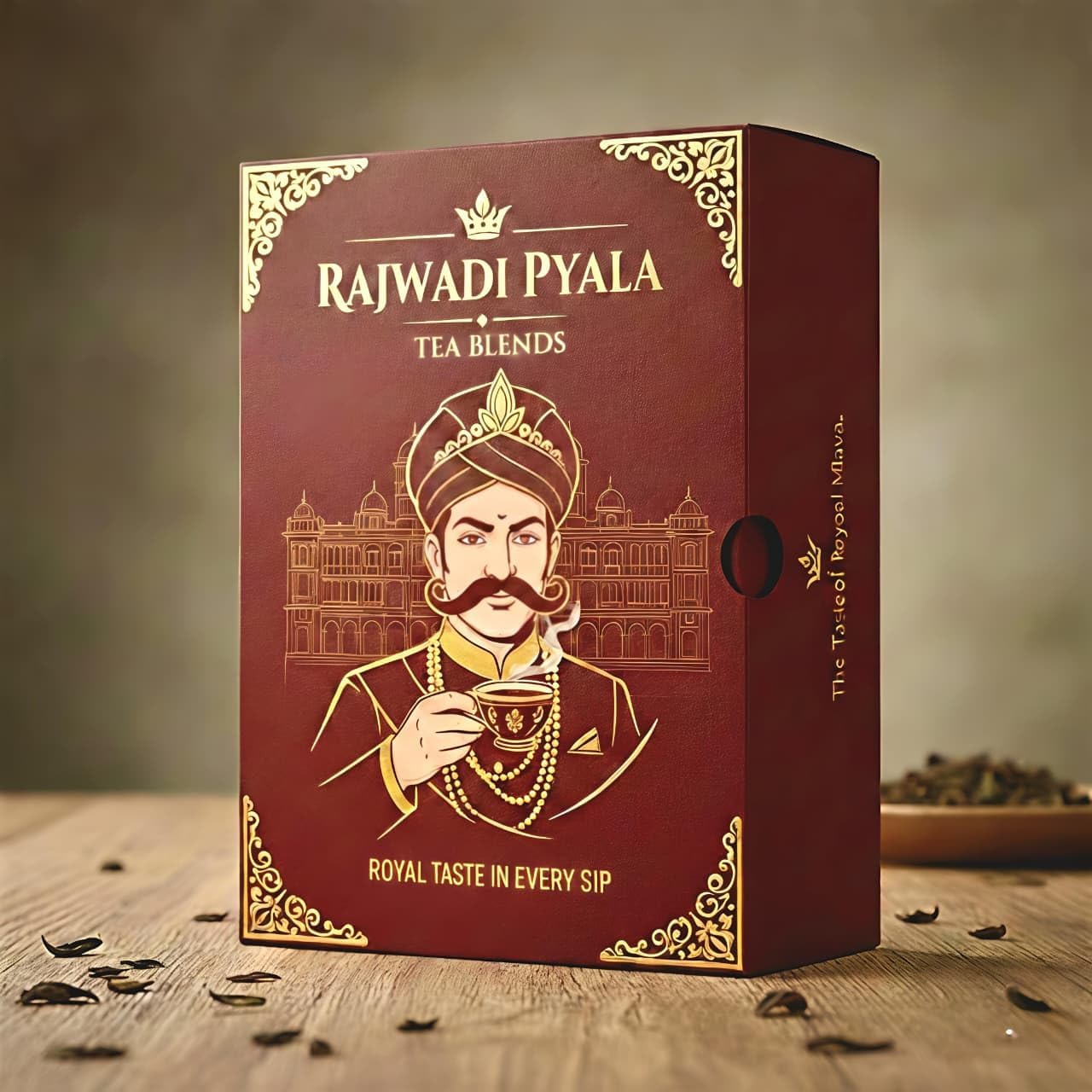
- Ensure the Rajwadi Pyala tea pack is completely empty after use by removing any leftover tea leaves or dust.
- Keep the packaging clean and dry before disposal to improve recyclability.
- Separate the outer paper carton (if available) from the inner laminated or plastic pouch.
- Dispose of the paper carton with recyclable paper waste.
- Place the inner multi-layer pouch with dry plastic waste only.
- Hand over segregated packaging to authorized waste collectors or recycling agencies.
- Do not mix tea packaging with wet or kitchen waste.
- Always dispose of Rajwadi Pyala tea packaging in designated dry waste or recycling bins.
- Avoid littering in public areas such as roads, parks, railway stations, and markets.
- Do not throw packaging in open spaces or drains.
- Never burn tea packaging, as it releases harmful and toxic gases.
- Encourage responsible disposal habits among others to maintain cleanliness.
* The disposal guidelines are brand independent. The images of products are for illustrative purpose only
Consumerism has increased the amount of plastic waste generated, and hence a ‘circular economy’ is imperative to facilitate the integration of economic and environmental wellbeing in a sustainable way. As a consumer goods industry, we need to overcome the challenges of the linear model – ‘take-make-dispose’, by moving to ‘circular economy’ with a focus on improving recycling, promoting re-use, and redesigning products. every business man even small or big no matter but everyone should follow this Reuse and Recycle Guidelines.