


Common Myths About Black Tea
Black tea is one of the world’s most popular beverages, enjoyed by millions every day. Despite its popularity, many Black Tea Myths continue to circulate, leading people to misunderstand its health benefits, caffeine content, and nutritional value.
Some people believe black tea is unhealthy, while others think it causes dehydration or should be avoided completely. The truth is that most Black Tea Myths are based on misconceptions rather than scientific facts.
In this article, we’ll uncover the most common Black Tea Myths, separate fact from fiction, and help you enjoy your favorite cup with confidence.
Why Do Black Tea Myths Exist?
Many myths arise from outdated information, misunderstandings about caffeine, or confusion between sugary tea drinks and pure black tea.
Pure black tea is made from the leaves of the Camellia sinensis plant and naturally contains antioxidants, polyphenols, and essential plant compounds that may support overall well-being.
Let’s explore the biggest Black Tea Myths one by one.
Myth 1: Black Tea Is Bad for Your Health
One of the most common Black Tea Myths is that black tea is unhealthy.
Fact
Pure black tea is naturally rich in antioxidants such as flavonoids and polyphenols, which help protect the body’s cells from oxidative stress.
When consumed in moderation without excessive sugar, black tea can be part of a healthy lifestyle.
Myth 2: Black Tea Contains Too Much Caffeine
Many people avoid black tea because they believe it contains extremely high levels of caffeine.
Fact
Although black tea contains caffeine, it generally has less caffeine than coffee.
Approximate caffeine content:
- Black Tea: 40–70 mg per cup
- Coffee: 80–120 mg per cup
For most healthy adults, moderate caffeine intake is perfectly acceptable.

Myth 3: Black Tea Causes Dehydration
Another popular Black Tea Myths claim is that tea dehydrates the body.
Fact
Black tea contributes to your daily fluid intake. While caffeine has a mild diuretic effect, normal tea consumption does not cause dehydration for most people.
Myth 4: Black Tea Should Never Be Consumed Daily
Some believe daily tea drinking is harmful.
Fact
Millions of people around the world safely enjoy black tea every day.
The key is moderation and maintaining a balanced diet.
Myth 5: Strong Black Tea Is Always Better
Some tea lovers think stronger tea automatically means better quality.
Fact
Strength does not always equal quality.
Premium black tea offers:
- Rich aroma
- Balanced flavor
- Natural sweetness
- Smooth finish
Quality tea should be flavorful without becoming bitter.
Myth 6: Adding Milk Destroys All Benefits
Many people believe milk completely removes all the health benefits of black tea.
Fact
Research on this topic is mixed. Adding milk may alter some antioxidant interactions, but black tea still remains an enjoyable beverage for many people.
The choice between plain tea and milk tea depends on personal preference.
Myth 7: Expensive Tea Is Always Better
Price alone doesn’t determine quality.
Fact
Good tea depends on:
- Leaf quality
- Processing
- Freshness
- Storage
- Source
Many reasonably priced premium Assam teas provide an excellent drinking experience.
Health Benefits of Black Tea
Beyond these Black Tea Myths, black tea is valued for several potential benefits.
Rich in Antioxidants
Black tea contains natural antioxidants that help protect cells from oxidative damage.
Natural Energy Boost
Its moderate caffeine content provides gentle alertness without the intensity often associated with coffee.
Supports Digestion
Many people enjoy black tea after meals because of its refreshing taste.
Refreshing Beverage
Whether served hot or iced, black tea remains one of the most refreshing drinks worldwide.
Tips to Enjoy Black Tea
To get the best experience:
- Use fresh water.
- Brew for 3–5 minutes.
- Avoid over-brewing to prevent bitterness.
- Store tea in an airtight container.
- Choose premium-quality tea leaves.
Why Premium Assam Black Tea Stands Out
Assam black tea is famous for:
- Deep amber color
- Strong aroma
- Rich malty flavor
- Full-bodied taste
- Excellent milk tea preparation
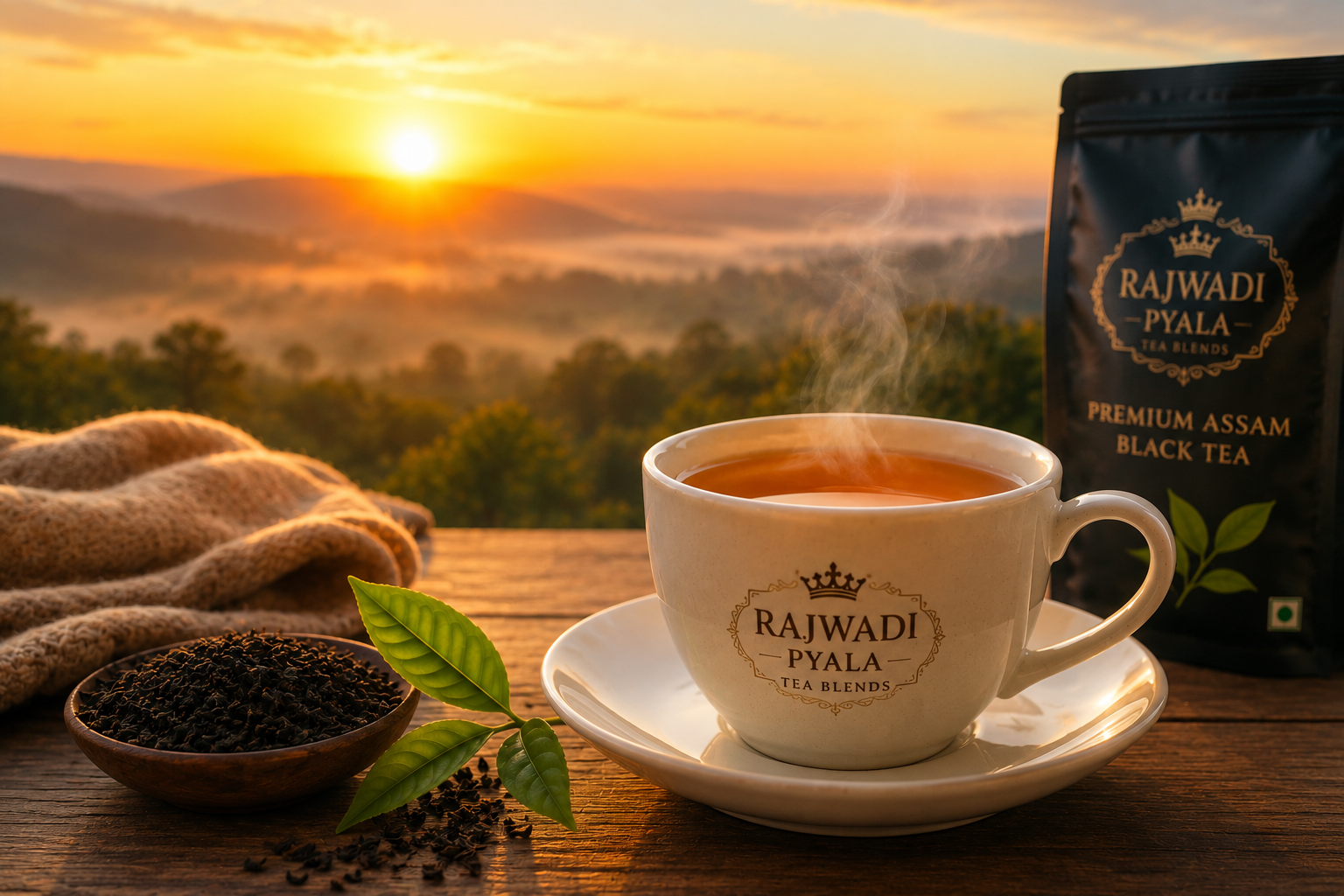
Brands like Rajwadi Pyala Tea Blends carefully select premium Assam tea to deliver a rich aroma, bold taste, and satisfying tea experience in every cup.
Final Thoughts
Many Black Tea Myths have been repeated for years, but most are not supported by facts. Black tea, when enjoyed in moderation, can be a flavorful and refreshing part of your daily routine.
Rather than believing common misconceptions, focus on choosing high-quality tea, brewing it correctly, and enjoying it as part of a balanced lifestyle. https://amzn.in/d/05lLSvfP
If you’re looking for authentic premium Assam tea with rich aroma and bold taste, Rajwadi Pyala Tea Blends offers a truly royal tea experience. https://rajwadipyala.com/
Frequently Asked Questions (FAQs)
1. Is black tea unhealthy?
No. Pure black tea is rich in antioxidants and can be enjoyed as part of a balanced diet.
2. Does black tea have more caffeine than coffee?
No. Black tea generally contains less caffeine than coffee.
3. Can I drink black tea every day?
Yes, most healthy adults can enjoy black tea daily in moderation.
4. Does black tea dehydrate you?
No. Regular black tea consumption contributes to daily fluid intake and does not usually cause dehydration.
5. Is Assam black tea good for milk tea?
Yes. Assam black tea is known for its bold flavor and rich color, making it an excellent choice for traditional Indian chai.